Local Comfort and Great Coffee in Monument, CO

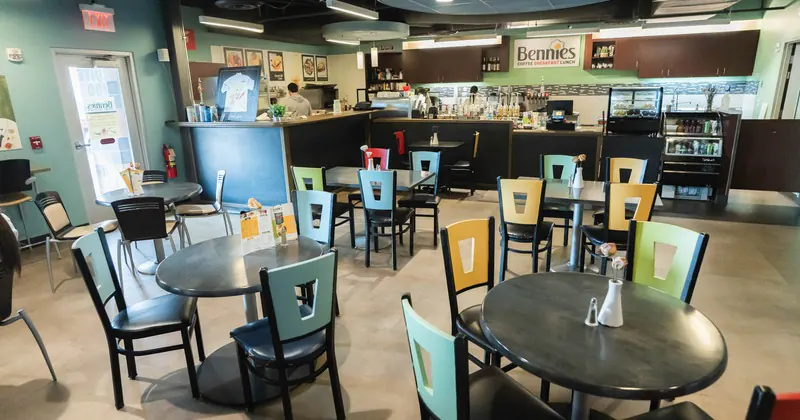

Monument has a particular kind of café culture that only makes sense once you have spent time there. It is not rushed in the way a downtown commuter coffee stop can be rushed, and it is not performative in the way some trend-driven spaces become. A good café in Monument, CO tends to succeed for simpler reasons. The coffee is dependable. The room feels warm in winter and Cafe Monument, CO Bennies Cafe welcoming year-round. People stay long enough to finish a conversation instead of grabbing a cup and disappearing. That balance, quality without fuss, is what gives local coffee shops in Monument their appeal.
The setting matters. Monument sits along the Front Range with quick shifts in weather, bright mornings, cold snaps, and the kind of afternoons that can move from blue sky to jacket weather faster than visitors expect. In a place like that, comfort is not a vague branding term. It is practical. It means a table by a window that catches sun in January. It means a drink served hot enough to stay enjoyable through a long chat. It means enough room between tables that parents with children, remote workers, and retirees meeting friends can all share the same space without feeling like they are in each other’s laps.
People looking for a café in Monument, CO are usually looking for more than caffeine. Some want a reliable stop before heading toward Colorado Springs. Some need a quiet corner after school drop-off. Some are meeting a client and need a place that feels polished but still local. The best cafés understand that they are serving all of those needs at once.
What comfort really looks like in a local café
Comfort in a coffee shop is easy to talk about and harder to execute. Owners often focus on furniture, paint color, or menu design, which all matter, but the feeling people remember usually comes from a combination of small, consistent decisions. The local cafés that earn repeat business in Monument tend to get the basics right over and over again.
A comfortable shop generally gets four things right:
- The room is easy to settle into, with seating that works for both short visits and longer stays.
- The service feels attentive without hovering, and regulars are recognized without newcomers feeling ignored.
- The menu has enough range to satisfy both serious coffee drinkers and people who just want something warm and pleasant.
- The noise level stays manageable, so the room feels alive rather than chaotic.
That last point is often underrated. There is a clear difference between lively and loud. A lively café has the hum of cups being set down, milk steaming, and two or three conversations braided together. A loud café forces people to lean forward and repeat themselves. In a town like Monument, where many customers are using coffee shops as social anchors, that distinction matters.
Another part of comfort is predictability. People do not need every café visit to be memorable. In fact, most customers prefer the opposite. They want a cappuccino that tastes like the one they enjoyed last week. They want baristas who can keep a line moving on a busy Saturday morning without making the place feel frantic. They want a pastry case that looks fresh, not picked over. A café that nails those details becomes part of people’s routines.
Why Monument is especially suited to coffee culture
Some towns have plenty of coffee but not much café culture. Monument is different. It has the rhythm that helps local places thrive. There are families, professionals, military households in the broader region, retirees, and residents who intentionally chose a town with a smaller scale than nearby urban centers. That creates a customer base with a real appetite for gathering places.
The town’s pace helps too. People are often willing to linger. They are not always racing between appointments in the same way they might be farther south in busier commercial corridors. Even when life is full, there is a bit more room for habit. A morning stop becomes part of the school run. A Friday meeting moves from an office to a café table. A couple out for a weekend walk adds coffee to the route almost by instinct.
The climate supports this pattern in an interesting way. Cold weather sends people inside, but clear skies and sunshine keep them out and about. On many Colorado days, even when temperatures drop, people still want to leave the house. They just want a warm destination. A café offers that middle ground. It gets people out into town without asking much of them. Order a latte, take a seat, thaw out, and stay as long as you like.
There is also a strong local preference for businesses that feel rooted in the community. Residents in places like Monument often notice whether a café remembers names, supports nearby events, or creates a space that reflects local habits instead of copying a generic formula. That does not mean every café has to look rustic or small-town. It means the atmosphere should feel honest. People can tell the difference between a place designed for daily use and a place designed mainly to photograph well.
The coffee itself still has to carry its weight
Warm décor can get someone through the door once. It will not bring them back if the coffee disappoints. The best cafés in Monument understand that comfort and quality are partners, not substitutes.
Great coffee in a local shop usually starts with balance. Most customers are not looking for a cup that needs a tasting note seminar before the first sip. They want coffee that tastes clean, developed, and intentional. If the espresso is too sharp, milk drinks suffer. If the roast is too dark and flat, drip coffee becomes background noise instead of a reason to return. If the brew changes wildly from one visit to the next, even forgiving customers start to lose confidence.
There is also the altitude factor, which people sometimes underestimate in Colorado. Brewing coffee well requires control, and small changes in Cafe Monument, CO temperature, extraction, and storage can affect the result. Skilled cafés compensate through training and consistency. Customers may never articulate why one cup feels more satisfying than another, but they notice. A reliable café has usually spent real time dialing in those details.
Milk drinks deserve special mention because they tend to dominate neighborhood coffee traffic. A well-made latte or cappuccino should taste integrated, not like espresso buried under a blanket of hot milk. Texture matters. Temperature matters. So does proportion. In local cafés, where many patrons order the same drink several times a week, flaws become obvious quickly. A shop that can produce solid milk drinks during both slow mornings and busy rushes is doing something right operationally, not just aesthetically.
Drip coffee matters too, perhaps more than some owners admit. Plenty of regulars still want a straightforward brewed cup. In a professional meeting, on a cold morning, or during a long writing session, that simple cup often tells you more about a café’s standards than the flashier menu items do. If brewed coffee tastes stale by midmorning or sits too long on a warmer, customers notice even if they do not say it aloud.
Food is not secondary in a place like this
A café in Monument does not need a sprawling kitchen to serve people well, but food plays a larger role than many operators expect. In smaller communities and suburban corridors, customers often arrive hungry rather than merely snack-curious. They may be stopping after a morning errand, before a drive, or during a mid-workday break. A pastry can help, but many guests are hoping for something that feels a little more substantial.
This is where good judgment matters. A café menu does not need to chase every trend. It needs to understand when the customer wants a flaky pastry with black coffee and when they want a breakfast sandwich that will actually hold them until lunch. The strongest café menus in Monument usually strike that balance. They offer familiar options done well, perhaps a rotating baked item, a dependable savory choice, and enough variety for different appetites without turning the counter into a diner.
Freshness counts more than novelty. A truly good muffin that is moist and not overly sweet will outsell a gimmicky seasonal item in many communities. The same is true for quiche, breakfast burritos, or simple toast-based options, if offered. Customers can tell when food is there because the owner thought carefully about what people genuinely want, versus when it was added because every café is expected to have something in a display case.
For families, practical food options matter even more. Parents often need a place where they can get a quality drink and feed a child without overcomplicating the outing. That does not mean a café should become child-centered. It means it should understand the reality of who walks through the door. Quick service, forgiving menu choices, and a room that does not feel precious go a long way.
The human side of a neighborhood coffee shop
People remember how a café makes them feel, and that feeling often has less to do with branding than with staff rhythm. Great service in a local coffee shop is not theatrical. It is calm, capable, and observant.
A strong barista team knows how to read a room. Some customers want conversation. Some want efficiency. Some are regulars who appreciate being recognized but not put on display. Others are new in town and quietly trying to figure out whether this place could become part of their routine. The best staff can handle all of that without making service feel mechanical.
There is real skill involved in being warm without being intrusive. It shows up in simple moments. A barista who gives a newcomer thirty extra seconds to decide without creating pressure. A cashier who explains the difference between two drinks clearly and briefly. A staff member who notices someone balancing a laptop and coffee and points them toward the outlet-friendly seats. None of those moments are dramatic, but together they build trust.
Regulars notice consistency in staff behavior almost as much as consistency in coffee. If one shift feels welcoming and another feels indifferent, the café starts to feel unstable. This is where management quietly shapes customer experience. Training, scheduling, and expectations affect the room in ways guests may never see directly. A comfortable shop usually reflects good behind-the-scenes leadership.
Space, light, and the practical architecture of comfort
Some cafés are beautiful but hard to use. The chairs look good in photos but punish anyone who sits for more than twenty minutes. The tables wobble. The outlets are scarce. The music bounces off hard surfaces until the whole room feels sharp around the edges. In a town where customers often stay a while, those design failures become business problems.
A truly comfortable café pays attention to function. Monument customers often span several use cases in the same hour. A pair of retirees might settle in with drip coffee and pastry. A remote worker may need stable Wi-Fi and a seat with back support. A parent may need enough floor space to manage a stroller without blocking the aisle. A student may need a place to read for an hour without feeling rushed. Good café design leaves room for all of them.
Natural light is especially valuable in Colorado. It changes the mood of a room and makes a winter morning feel less enclosed. At the same time, too much glare can make a laptop station unpleasant. The most successful spaces tend to layer seating. Window spots for people who want brightness, quieter edges for those who need focus, and a central zone for short-stay customers and social traffic.
Patio seating, when available and weather-permitting, can be a major advantage in Monument. Even a modest outdoor setup can transform a café during milder months. Colorado residents like being outside whenever conditions allow, and coffee tastes different, often better, when paired with sun and mountain air. The challenge is that outdoor seating needs maintenance and thoughtful positioning. If it feels exposed to parking lot noise or whipping wind, people will skip it. If it catches morning sun and offers a bit of shelter, it can become prime real estate.
What locals often look for when choosing a café in Monument, CO
People rarely explain their café preferences in formal terms, yet patterns show up quickly. When locals talk about where they like to go, they often circle back to the same practical measures.
They usually care about whether the coffee is consistently good, whether parking is easy enough to avoid hassle, whether they can hear the person across the table, and whether the staff seem genuinely glad to have people there. Price matters too, although perhaps less than outsiders assume. Most customers will pay a little more for a place that feels reliable, clean, and pleasant. What they resist is paying specialty prices for an experience that feels inattentive or generic.
The length of the visit also changes what people value. Someone stopping in for six minutes on a weekday morning will prioritize speed and order accuracy. Someone meeting a friend for ninety minutes will care more about seating, noise, and refill practicality. A remote worker staying half the morning will notice internet quality, outlet access, and whether the room’s energy remains manageable after the rush. The strongest cafés can serve all three without confusing their identity.
A few smart ways to judge a café on your first visit
If you are trying a new place for the first time, a few observations can tell you a lot before you ever become a regular.
- Order something simple, like drip coffee or a plain latte, so there is nowhere for quality to hide.
- Look at how the staff handle the line during a busy moment, not just how they behave when the room is quiet.
- Notice whether people linger comfortably or seem eager to leave once they finish.
- Pay attention to small upkeep details, like clean tables, stocked condiment areas, and how quickly used dishes disappear.
- Listen to the room for five minutes. If conversation feels easy, the space is probably well-calibrated.
That last test is especially useful. You can learn a lot from the sound of a café. A room that supports conversation tends to support community as well. It means the environment was designed, intentionally or not, for people to stay connected.
The role cafés play beyond coffee
A local coffee shop often functions as a kind of civic living room, especially in towns that still value informal, face-to-face interaction. In Monument, that role can be subtle but significant. Cafés become the place where someone overhears a recommendation for a contractor, where two neighbors compare school updates, where a new resident starts to recognize familiar faces, where a small business owner takes a first meeting that later turns into a real partnership.
That kind of usefulness cannot be manufactured by marketing language. It develops through repetition and trust. A café earns it by being steady. Open when people expect it to be open. Friendly without putting on a show. Good enough that customers want to return even when they are not meeting anyone there.
This is one reason local cafés matter more than their square footage suggests. They help knit together daily life. For people who work from home, they break isolation. For retirees, they offer structure and a social outlet. For parents, they can turn an errand-filled morning into something more pleasant. For teenagers and young adults, they often provide one of the few public spaces that feels relatively independent and welcoming.
Why the best café experiences feel unforced
There is a temptation in hospitality to overdesign the experience. Some places try so hard to communicate comfort that they end up feeling scripted. Real comfort is simpler. It comes from decent chairs, excellent coffee, kind service, and an atmosphere that gives people room to be themselves.
That is why the strongest café experiences in Monument tend to feel unforced. The room does not need to prove that it is charming. The staff do not need to perform friendliness. The menu does not need to surprise anyone. Instead, the place works. It supports a morning routine, a conversation, a quiet hour, or a brief pause between obligations. That usefulness is what makes people loyal.
For anyone searching for a café in Monument, CO, the good news is that the standard for success is not mysterious. Look for a place that respects the basics and understands its town. Good coffee should taste good every time. Comfort should be visible in the details, not just the décor. Service should feel human. When those elements come together, a café becomes more than a stop for caffeine. It becomes part of the local fabric, a place people return to not out of habit alone, but because it reliably makes the day better.
Bennies Cafe
17230 Jackson Creek Pkwy Ste 100, Monument, CO 80132
+1 719-445-0660
FAQ About Cafe Monument, CO
What is considered a café?
A café is generally an informal place to enjoy refreshments and a meal. Bennies Cafe in Monument serves breakfast and lunch in a counter-service setting, with options including eggs Benedict, sandwiches and crepes. Guests can eat in or arrange pickup.
What is the difference between a coffee shop and a café?
The terms often overlap. A coffee shop usually emphasizes coffee and other drinks, while a café may offer a broader food menu. Check the individual establishment's menu rather than relying on its name. Bennies Cafe offers coffee drinks alongside breakfast and lunch dishes.
What is the difference between café and coffee?
In everyday English, a café is a place where people buy food and drinks, while coffee is the beverage. The word café comes from the French word for coffee. Bennies Cafe serves options such as brewed coffee, espresso and lattes as part of its drinks menu.