How Local Cafes Add Charm to Monument, CO

Monument has never needed to shout to get noticed. Its appeal sits in the details: the view of the Front Range when the light is clear, the slightly slower tempo compared with Colorado Springs, the easy overlap between longtime residents and newer families, and the way a small downtown still feels like a place where people recognize one another. In a town like that, local cafes do more than sell coffee. They help shape the mood of the day.
Spend enough time in a small Colorado town and you start to notice that charm is rarely the result of one landmark or one big attraction. More often, it comes from repeated habits. It comes from where people stop after a morning walk, where two contractors meet before heading to a jobsite, where a retired couple lingers over pastries on a weekday, and where parents can catch their breath after school drop-off. A good cafe gives those routines a home. In Monument, that matters.
The phrase “Cafe Monument, CO” might sound like a simple search term, something typed into a phone by a traveler looking for caffeine off Interstate 25. But if Cafe Monument, CO you spend real time in town, you quickly learn that a local cafe is part of the local infrastructure in the best sense of the word. It supports social life, small business culture, neighborhood identity, and even the town’s visual character. The charm people feel in Monument is not abstract. A lot of it is built cup by cup, table by table.
The scale of Monument makes cafes matter more
In a large city, a cafe can disappear into the background. It may be useful, even beloved, but it competes with dozens of other places within a few blocks. In Monument, each local cafe has more weight. One well-run shop can influence how a street feels in the morning. It can affect foot traffic, keep people downtown longer, and create a sense that daily life is happening in public rather than behind closed doors.
That dynamic is especially important in a place that sits between identities. Monument has mountain-town qualities, suburban growth, and a commuter relationship with Colorado Springs. Towns in that position can easily drift toward convenience without character. Chain retail tends to follow growth, and chain retail is efficient, but efficiency alone rarely creates attachment. Local cafes counterbalance that pull. They provide signs of authorship, places that feel shaped by specific owners, specific customers, and specific local habits.
When people describe a town as charming, they often mean that it still feels edited by human judgment. The menu has local preferences written into it. The décor looks assembled rather than shipped as a package. The staff knows which regular wants a second shot and which one needs a quieter corner for a meeting. That is the difference between a place that merely functions and one that feels inhabited.
Morning ritual becomes local culture
Charm is often built through repetition. The same dog walkers arrive around the same hour. The same cyclists stop in on weekends. Parents come through in school-year patterns. Remote workers claim familiar tables. What looks like an ordinary coffee rush from the outside is actually a kind of social stitching. People begin to see one another, then greet one another, then share bits of news. Over time, the cafe becomes one of the few spaces where different parts of the town overlap naturally.
That overlap is not trivial. Modern life is segmented. Many people drive from home to work to errands with little room for spontaneous contact. A local cafe interrupts that pattern. Someone comes in for a latte and runs into a neighbor, a client, a teacher, or a town council volunteer. Five minutes turns into fifteen. A quick transaction becomes part of civic life.
This is one reason cafes often carry emotional weight out of proportion to their size. They are not just serving coffee. They are hosting low-pressure belonging. Unlike a formal event, a cafe does not require planning, tickets, or a clear social role. You can arrive alone, stay briefly, and still feel part of the life around you. In smaller communities, that accessibility is powerful.
Monument benefits from this more than many places because it still has a strong appetite for local gathering spaces. Residents want convenience, of course, but they also want places that feel distinct from the anonymous pace of highway corridors. A warm cafe on a cold Colorado morning answers that desire in a very immediate way.
Cafes give the town a lived-in look
Urban planners and commercial developers sometimes talk about “activation,” meaning the visible signs that a place is alive and in use. Cafes are experts at activation without trying too hard. A few occupied patio tables, people carrying cups down the sidewalk, bikes leaning near an entrance, a chalkboard sign with a seasonal drink, all of it changes how a block reads to the eye.
Monument’s charm depends heavily on this kind of visual life. The town’s setting already does a lot of work. The pines, the weather shifts, the open skies, and the views toward the mountains create natural appeal. But scenic backdrop alone can feel static if the built environment does not support street-level activity. Local cafes help bridge that gap. They make scenery feel inhabited.
There is also something practical about the way cafes soften commercial space. Retail storefronts can be transactional. Offices can seem closed off. Cafes, by contrast, tend to signal welcome. Light spills through the windows. People inside are facing outward. The smell of coffee and baked goods does what expensive branding often cannot, it lowers the barrier to entry.
This matters in a town where charm depends on approachability. Monument is not trying to be flashy. It works best when it feels comfortable, grounded, and quietly appealing. A local cafe reinforces exactly that atmosphere.
The menu tells you what kind of town you are in
Food and drink are forms of local expression, even when the item itself is simple. There is a real difference between a generic menu and one that reflects local taste. In a community like Monument, where outdoor recreation, family life, and a strong small-business ethos all intersect, the best cafes usually respond to those rhythms rather than copying trends from bigger metros wholesale.
A cafe in this setting might need to satisfy very different customers over the course of a single day. Early commuters want speed and consistency. Midmorning regulars want comfort and conversation. Remote workers need Wi-Fi, outlets, and enough seating turnover to stay welcome without creating friction. Weekend visitors may want something that feels distinctly local, whether that comes through pastries, house specialties, or simply service that feels personal rather than scripted.
The interesting part is how these demands shape the identity of the place. A cafe that survives in Monument usually has to make thoughtful choices. It cannot be only a laptop lounge. It cannot rely solely on tourist traffic. It cannot treat hospitality as optional. In smaller towns, the margin for indifference is thin. People notice when a place cares, and they notice when it does not.
That pressure often produces better businesses. Owners pay attention to what sells in winter versus summer. They learn how weather affects traffic. They adapt to school calendars, local events, and the patterns of nearby neighborhoods. Those adjustments create personality. They also create trust.
Local cafes support the kind of economy residents actually want
People often speak warmly about supporting small business, but the mechanics are worth examining. A local cafe tends to circulate money differently from a national chain. The owner is more likely to live nearby, hire locally, source at least some goods regionally, and reinvest revenue into the same community. Even when the scale is modest, the impact adds up.
Just as important, cafes often create low-barrier commercial momentum around them. If a coffee shop draws steady traffic, nearby retailers benefit. Service businesses benefit. A walkable cluster begins to feel plausible rather than aspirational. In a town like Monument, that kind of ecosystem matters because it helps preserve the sense that local commerce still has a heartbeat.
There is also a signaling effect. When residents choose a local cafe over the easiest chain option, they are voting for a certain version of town life. They are saying that atmosphere, relationships, and local ownership are worth a few extra minutes or a slightly higher ticket. Those choices are not symbolic only. They shape what survives.
For newer residents especially, cafes often become a first point of entry into the local economy. Someone may move to the area for schools, space, or proximity to Colorado Springs, then slowly discover local businesses through a familiar coffee stop. The cafe becomes a gateway to the town’s independent character.
Weather, altitude, and season all deepen the cafe experience
Colorado towns have their own relationship with cafes because climate changes how people gather. On cold days, a cafe offers obvious comfort, but even that is not just about warmth. It is about contrast. Snow outside, steam on the windows, gloves drying near a chair, conversations lingering longer than planned, these details create memory.
Monument’s elevation and climate make those moments especially vivid. Winters can sharpen the desire for indoor refuge. Spring can arrive unevenly. Summer mornings are often ideal for coffee before the day heats up. Fall brings its own rhythm, with school back in session and the shift toward shorter days. Through all of it, cafes anchor daily life.
This seasonal quality adds to local charm because it gives familiar places different personalities throughout the year. A patio that feels lively in June feels intimate in October. A bright, airy room in summer becomes a shelter in January. Residents do not just visit the same cafe repeatedly, they experience it differently as the year turns. That continuity is part of what makes local places feel woven into personal history.
Cafes give newcomers a softer landing
One of the less discussed roles of a local cafe is how effectively it helps people settle into Cafe Monument, CO a new town. Moving is disorienting even under good circumstances. It takes time to understand pace, geography, and social norms. Monument has grown, and with growth comes the challenge of integrating new residents without flattening the community’s identity.
A local cafe makes that transition easier. It offers a setting where a newcomer can observe without pressure. They can hear what hours local businesses keep, what events people mention, what concerns matter, even which roads everyone is complaining about that week. In a place with a strong local feel, this kind of casual learning is valuable.
The staff often plays an understated role here. Good cafe staff are not merely efficient. They are interpreters of place. They know which pastry is actually popular, which drink regulars return for, when the rush tends to hit, and what kind of energy the room has on different days. For someone new in town, that familiarity can be reassuring.
This is part of why the best local cafes feel bigger than their square footage. They function as social orientation points. They help turn a town from a map into a lived environment.
Not every cafe contributes equally, and that matters
It is worth being honest about trade-offs. Not every local cafe automatically adds charm simply because it is local. Some are too cramped to support longer stays. Some underinvest in service. Some chase trends so aggressively that they lose any sense of place. Others may become so popular that they crowd out the very ease that once made them appealing.
There is also the tension between growth and intimacy. As Monument expands, successful cafes may face pressure to increase throughput, add seating, simplify menus, or speed up turnover. Those are understandable business decisions. But if pushed too far, they can erode the relaxed community feel that made the cafe special to begin with.
Parking and access can be another challenge. A charming cafe is less useful if customers have to wage a small battle to get in and out. Families with strollers, older residents, and people grabbing a quick drink on the way to work all experience convenience differently. The strongest cafe operators understand that charm is not just aesthetic. It includes operational competence.
Price is part of the equation too. Specialty coffee and high-quality ingredients cost money, and small operators have less purchasing power than chains. Residents may happily support local businesses, but only within reason. A cafe that wants to become part of everyday life in Monument has to balance quality, hospitality, and affordability. That balancing act is one reason good independent cafes deserve more credit than they usually get.
What people remember is rarely the coffee alone
Ask someone why they love a particular cafe and they may begin with the drink, but they almost never end there. They remember the corner table where they met a friend after a hard week. They remember seeing snow start to fall through the front window. They remember the barista who learned their name. They remember grabbing breakfast before heading up for a hike or stopping in after a school event.
Those memories attach themselves to physical places. Over time, they become part of a town’s emotional architecture. This is one of the reasons local cafes have such a disproportionate effect on community identity. They host ordinary moments that later become meaningful in hindsight.
In Monument, where many residents are deliberately seeking a lifestyle with more breathing room and more connection, that role is especially significant. The town’s charm is not only scenic or nostalgic. It is relational. Cafes help make those relationships visible.
A search for coffee often turns into a sense of place
Visitors passing through may start with a practical question: where can I find a good Cafe Monument, CO option without settling for a forgettable chain stop? What they often find, if they choose a local shop, is a clearer sense of the town itself. They notice the pace. They hear local conversation. They see how residents use the space. They get, in twenty minutes, a small but meaningful reading of community character.
That is not something chains are designed to provide. Chains are designed for predictability, and predictability has its place. But local charm depends on slight irregularities, on particularity, on the sense that this place could not be swapped with another one twenty miles away. A good independent cafe communicates that almost immediately.
For residents, that same dynamic keeps daily life from feeling interchangeable. The cup in hand is familiar, but the setting remains alive. The same route through town still offers some surprise, some recognition, some texture. That is a quiet form of civic health.
Why cafes often become the emotional center of a small town
There are many places where people gather in Monument: schools, churches, parks, trails, restaurants, shops, and community events. Cafes occupy a distinct niche among them because they ask very little and offer a lot. You do not need a reservation. You do not need a reason beyond wanting to be there. You can stay ten minutes or an hour. You can be social or solitary. Few places manage that range gracefully.
Because of that flexibility, cafes often absorb the emotional overflow of the town. They host celebrations, hard conversations, planning sessions, first dates, client meetings, and private moments in public space. They are where people go when they need a reset but do not want to disappear. That function is subtle, but it has real community value.
In my experience, towns that retain beloved local cafes tend to retain something else as well: a visible public life that still feels personal. People do not just live near one another, they encounter one another. They form impressions, then relationships, then habits of familiarity. That may sound small. It is not small at all.
Monument’s charm comes from many sources, including its landscape, history, and location. But local cafes translate those advantages into daily experience. They give residents and visitors a place to pause long enough to notice what is good about the town. They add warmth without spectacle, identity without pretense, and community without forcing it. For a place like Monument, that is not a side benefit. It is part of the foundation.
Bennies Cafe
17230 Jackson Creek Pkwy Ste 100, Monument, CO 80132
+1 719-445-0660
FAQ About Cafe Monument, CO
What is considered a café?
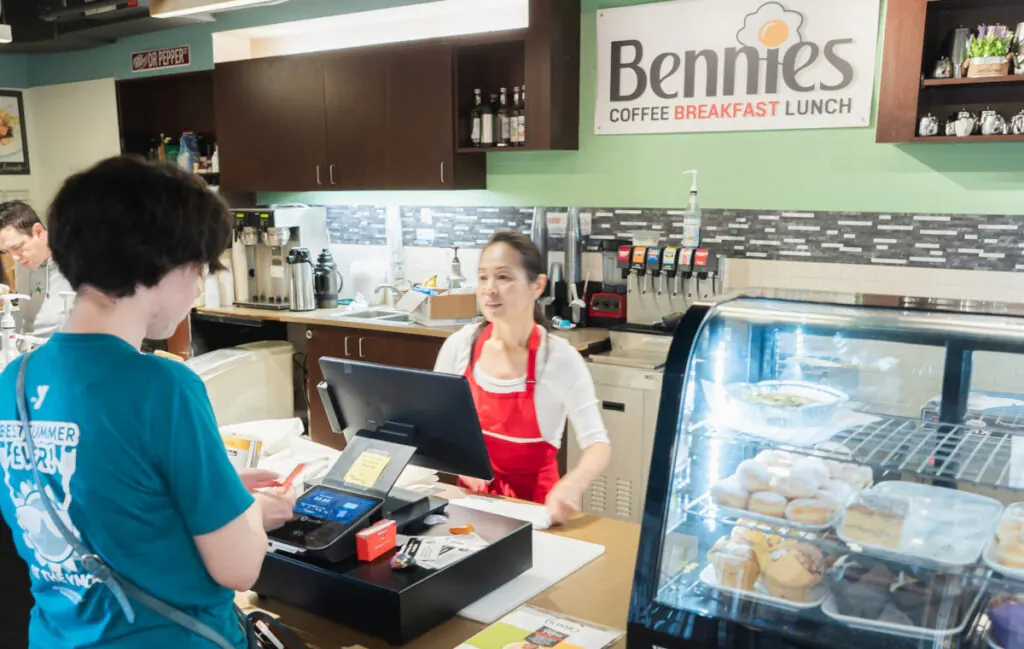
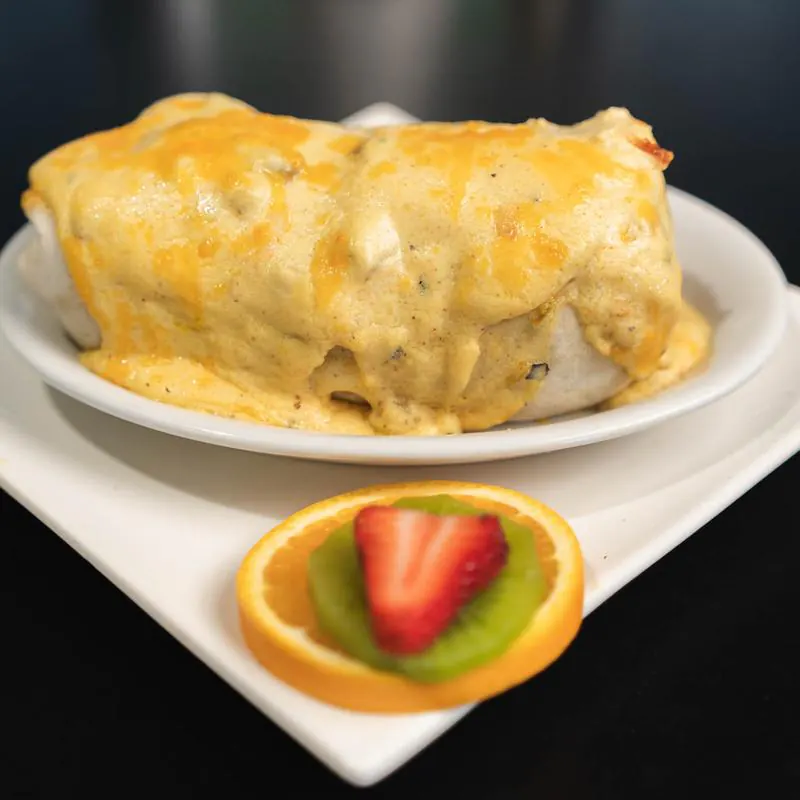
A café is generally an informal place to enjoy refreshments and a meal. Bennies Cafe in Monument serves breakfast and lunch in a counter-service setting, with options including eggs Benedict, sandwiches and crepes. Guests can eat in or arrange pickup.
What is the difference between a coffee shop and a café?
The terms often overlap. A coffee shop usually emphasizes coffee and other drinks, while a café may offer a broader food menu. Check the individual establishment's menu rather than relying on its name. Bennies Cafe offers coffee drinks alongside breakfast and lunch dishes.
What is the difference between café and coffee?
In everyday English, a café is a place where people buy food and drinks, while coffee is the beverage. The word café comes from the French word for coffee. Bennies Cafe serves options such as brewed coffee, espresso and lattes as part of its drinks menu.